Finding Ancestry in Foreign Soil
What Día de los Muertos taught me about Undas, belonging, and finding my way home.
Mikealo Lacson Aguilar
Source: Author
Growing up in the Philippines, Undas meant one thing to me: vacation.
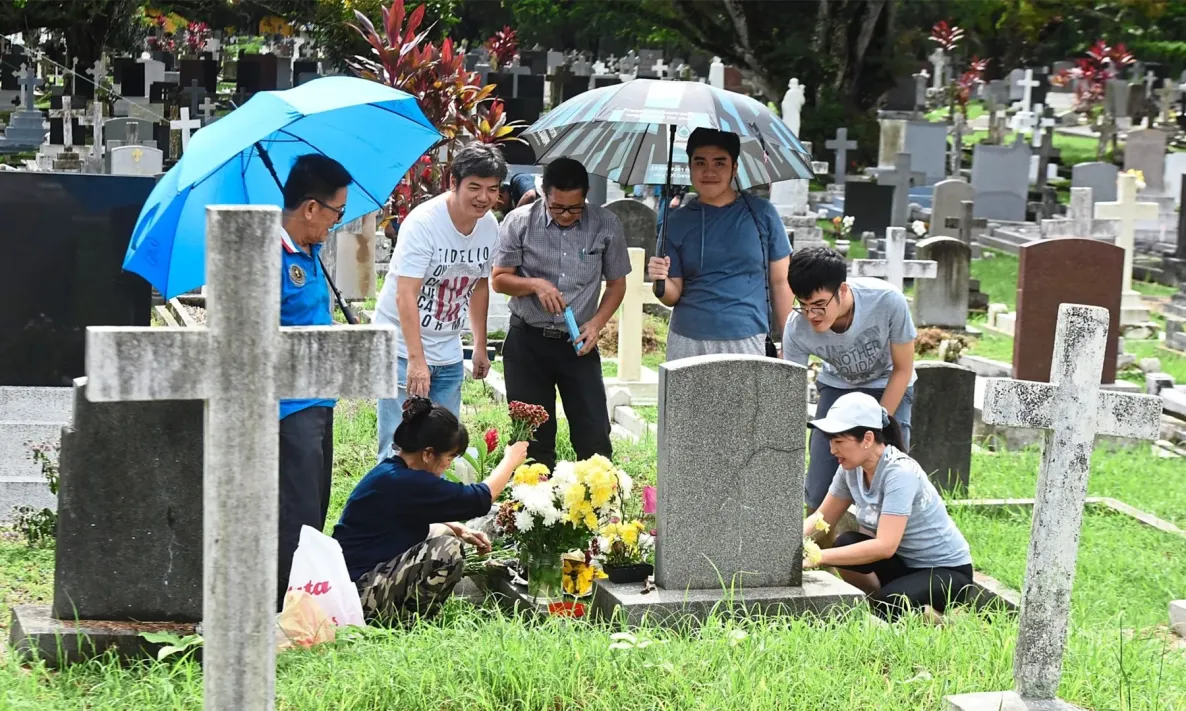
All Saints’ Day and All Souls’ Day, November 1 and 2, meant school was out, and if the calendar gods were feeling generous, we got a four-day weekend. It meant traffic, too. Finding a decent parking spot near the cemetery felt like an adventure in itself. Then came the procession: carrying boatloads of food to the gravestone of some relative I barely knew, cleaning the stone, sometimes even retouching the faded ink of their name.
The gravestones were packed so tightly together that gathering around one could feel like trespassing on your dead relative’s neighbor. If your family happened to have several relatives buried next to each other, congratulations. You had more real estate for your reunion.
Source: scjphil.org
And it was a reunion. Undas was Thanksgiving, Filipino-style. Families gathered around the dead, ate, talked, caught up. But because the cemetery was so overcrowded, the reunion usually needed a Part Two. That happened at a relative’s house, where the food came back out and the gathering became a proper party.
As the years went by, visiting the cemetery became harder. Sometimes we simply skipped it and got out of town, escaping the crowded city cemeteries altogether. The adults would visit the graves on some other weekend, and because I was the eldest child, I was expected to tag along.
Eventually, I found my escape.
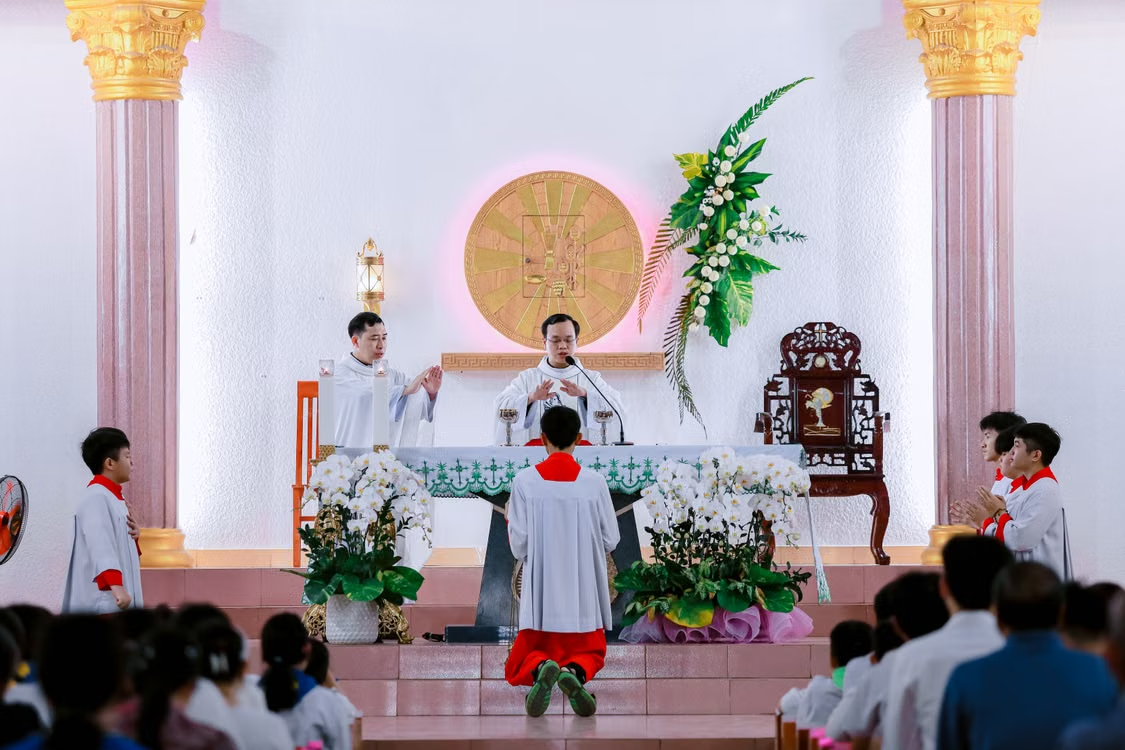
I became active in our church as an altar boy. Assisting at extended Undas Masses and prosessions was a small price to pay for the privileges of holy responsibility: hanging out with friends behind the church, getting free snacks, staying around after hours, and being near the girls from the choir. As a young teenager, we took full advantage of our sacred powers.
Source: Nguyễn Tiến Thịnh
What I didn't have was any particular reverence for Undas itself.
Lighting a candle for a dead relative felt like an obligation, not a ritual. I never thought much about ancestors. I never felt that I was participating in something larger than my own family. Undas was simply what our family did on a long weekend.
That changed, slowly, in 2014.
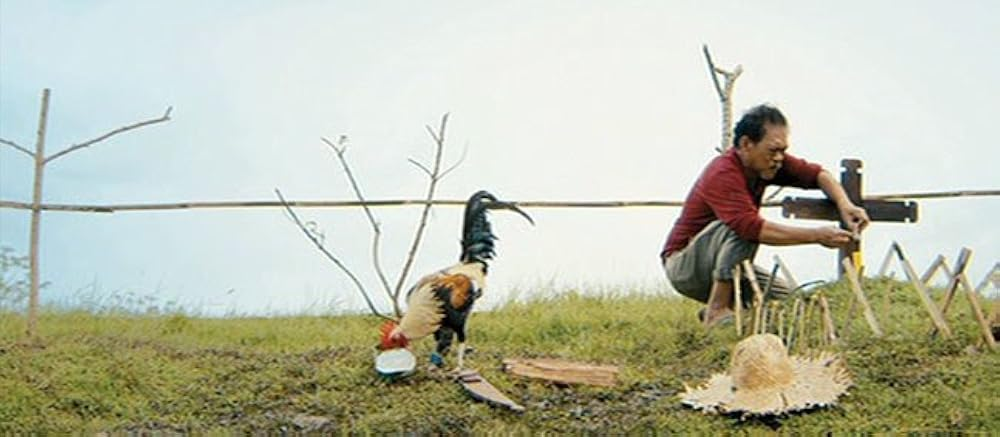
We made a film about the desaparecidos, victims of the Marcos regime who were abducted and never returned. It was written and directed by my good friend, M. Bonifacio, commissioned by my org, Dakila, in partnership with FIND, QCinema, and other funders. I met families who couldn't celebrate Undas in the way I had known it. They had no bodies to bury. No gravestones to clean. No physical place where they could say, This is where you are.
For the first time, I began to understand the privilege of having a grave to visit. I started to appreciate that remembering the dead isn't necessarily about the stone itself. It's about having a place to put your grief, your stories, your questions.
Source: IMDB
Still, something about Undas felt incomplete to me. It remained largely contained within the boundaries of family: This is our dead. This is our story. I don't necessarily have to think about yours.
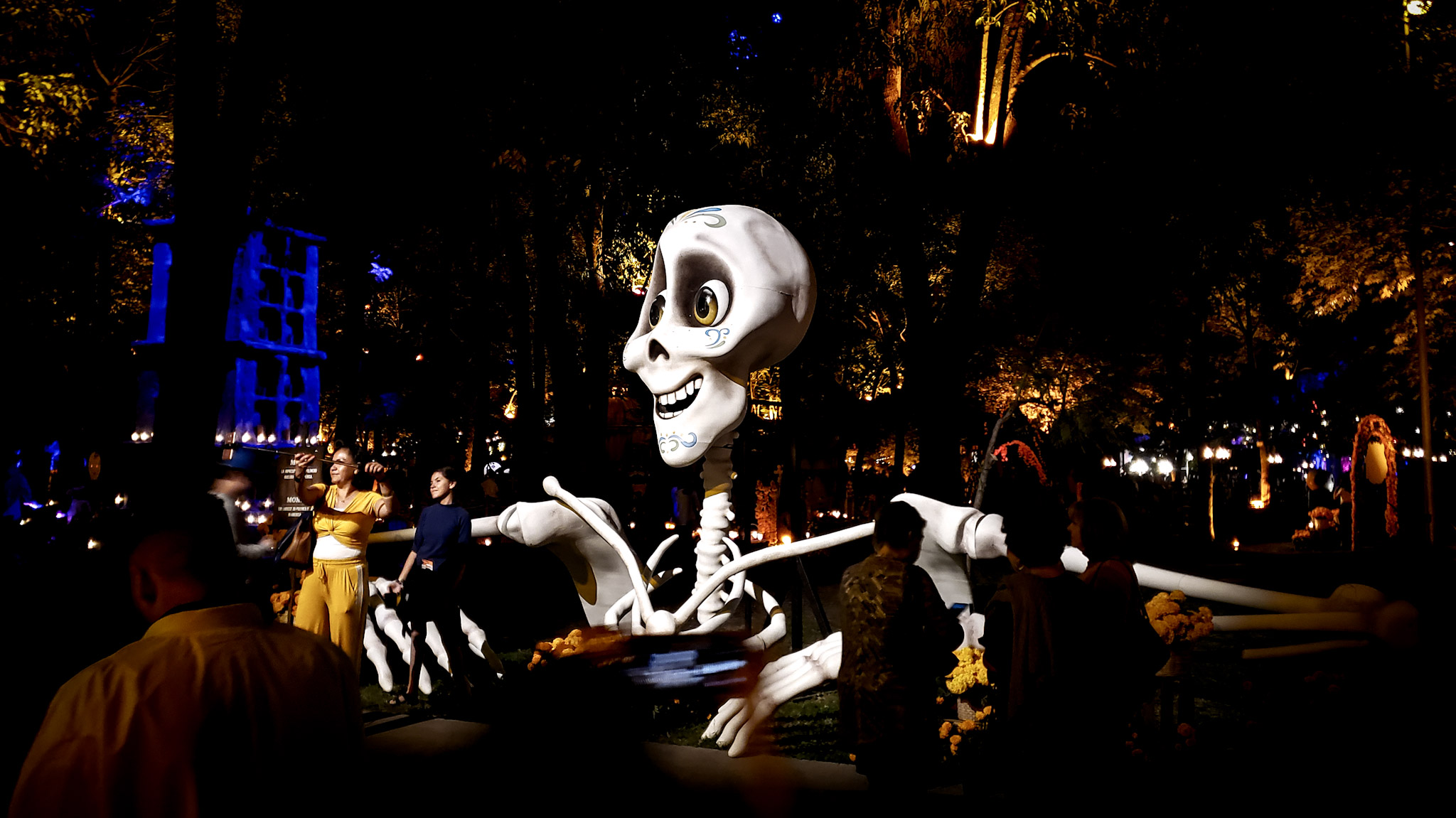
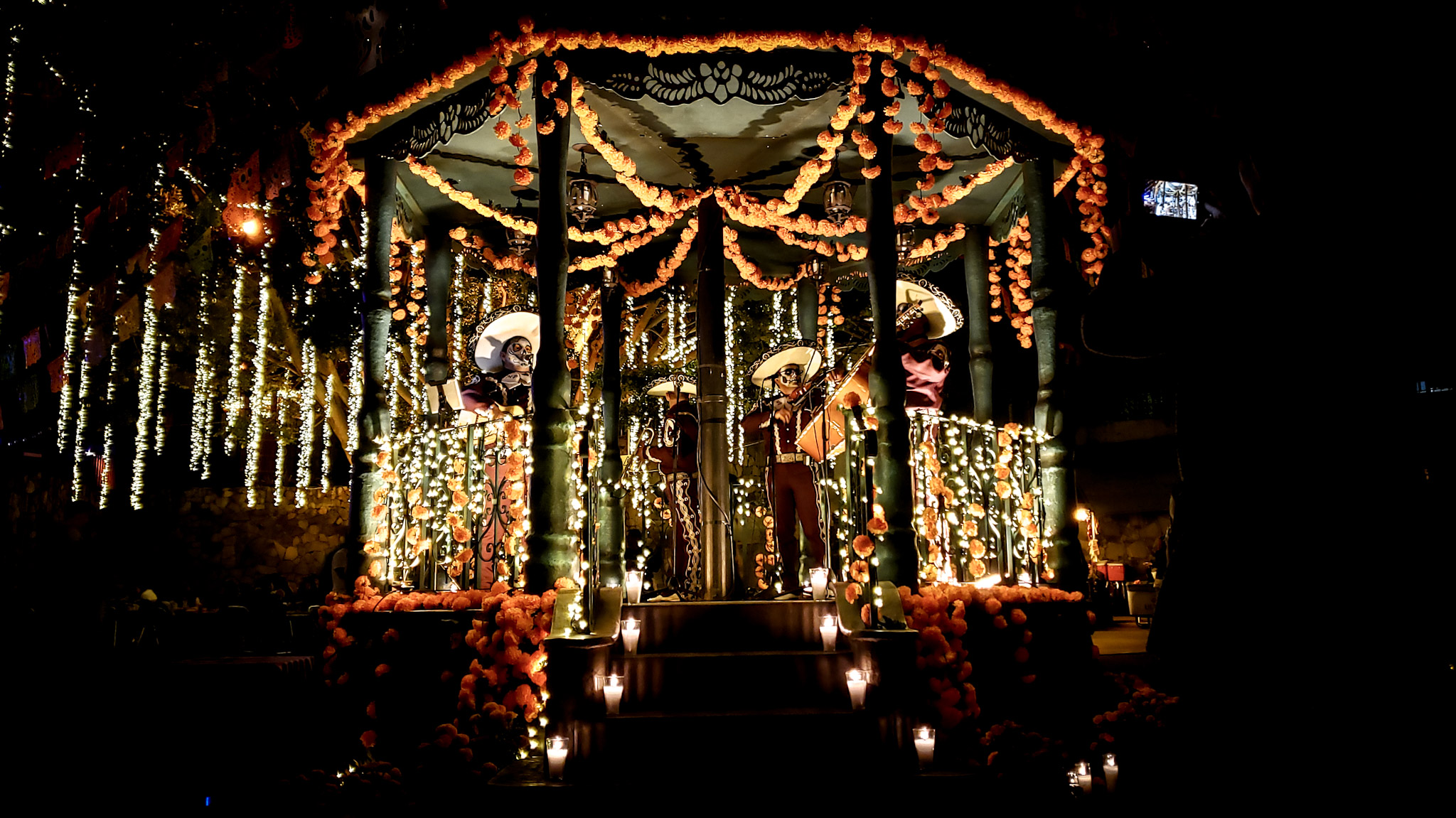
Then, years later, I chanced upon Calaverandia in Guadalajara, a Día de los Muertos-themed amusement park.
I was expecting somber energy. I was wrong.
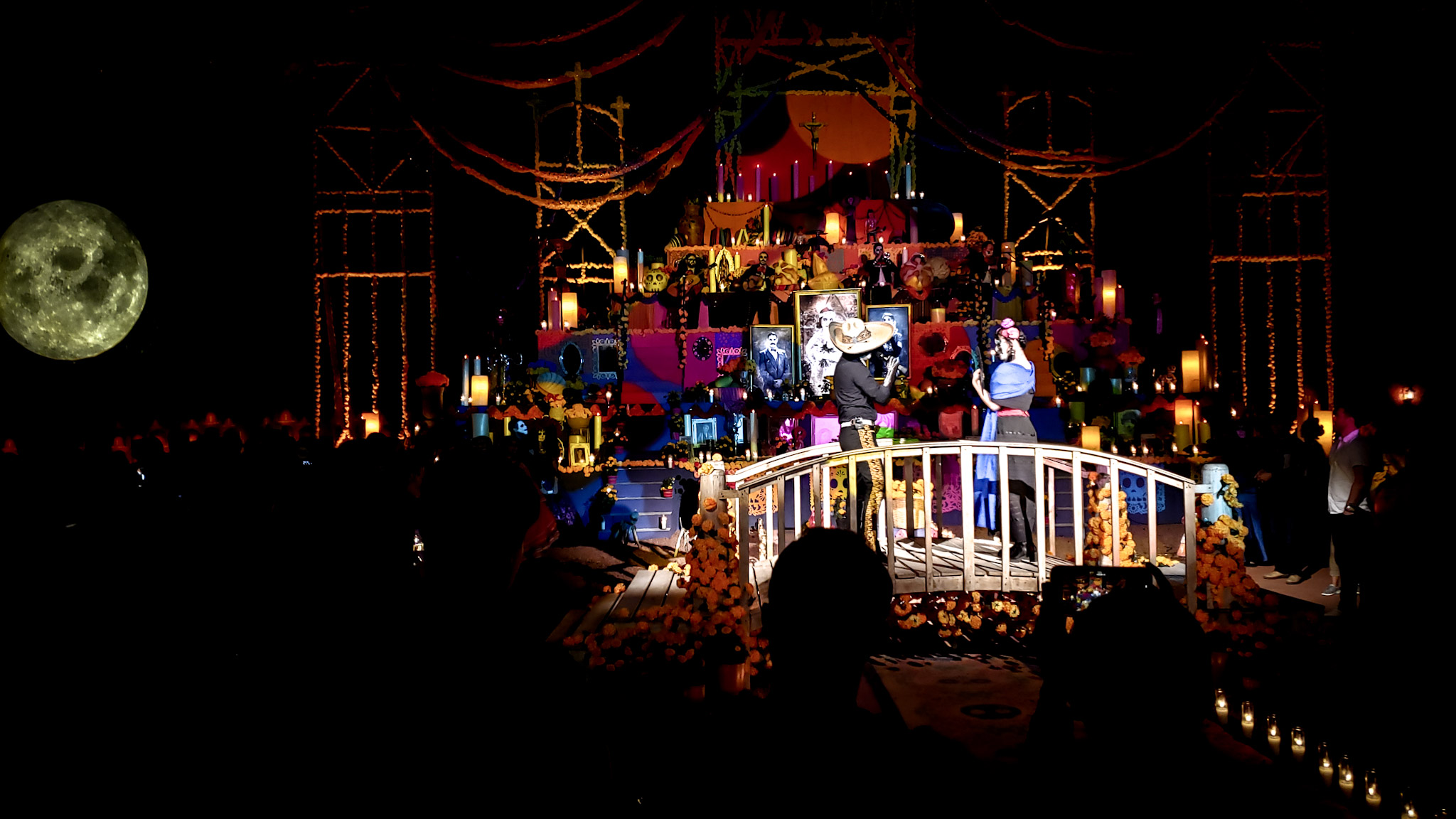
I felt like I had wandered into a Cirque du Soleil production staged by an entire city. The colors, the floats, the flowers, the scents, the music, the sheer scale of it all were declarations of remembrance. But what struck me most was that there seemed to be no invisible fence between your dead and my dead. The celebration belonged to everyone.
For the first time, I understood the power of communal ritual.
Source: Author
In church, I had learned to serve by fulfilling an obligation. In Guadalajara, I had nothing to offer except my sense of wonder. And somehow, that was enough. I was welcomed into a celebration I had not inherited, simply because I was willing to witness it.
I still don't know whether Undas belongs to me.
For much of my life, I've been trying to understand what belonging means. To a family, to a culture, to a place, to a community. I've often looked for it in the present, in the people I meet and the communities I build, without realizing that belonging can also be a relationship with the people and traditions that came before me.
Maybe belonging to a tradition doesn't mean loving it in exactly the way you were taught. Maybe sometimes you have to leave home, encounter another culture, and see your own reflection in it before you understand what you've been looking at all along.
Source: Author
In Guadalajara, I felt something I hadn't expected: I was welcomed into a celebration that wasn't mine. I didn't know the rituals. I didn't have ancestors being honored there. I could only stand there in wonder. And somehow, that was enough to make me feel connected.
Maybe that's what I've been looking for all along. Not a perfect inheritance, or a prescribed way of being Filipino, but a place where I can participate, contribute, witness, and be welcomed.
I think I'm finally beginning to understand why my people have spent generations making room for the dead.
Maybe the point was never just to visit them.
Maybe it was to make room for them in us, and in doing so, make a little more room for ourselves.
Mikealo Lacson Aguilar
is a Filipino multidisciplinary artist, producer, and community builder interested in what happens when creative expression becomes a basic human need rather than a luxury. Working across electronic music, audiovisual production, storytelling, and immersive gatherings, he creates projects that move between sound, culture, and connection.